Salice Della Torre does not ask for much: a little time, a pair of sensible shoes, and the patience to check the details before you set out. That last point matters. Small Italian heritage sites often run on limited hours, local staffing and seasonal rhythms, and a visit that feels effortless usually begins with a five-minute check the day before. This guide is for first-time visitors who want the practical picture: when to go, what the ground is like underfoot, what facilities to expect, and how to prepare without overplanning.
Opening Times: Check, Then Check Again
Start with the site's own website or official social page, not a third-party map listing. Opening hours for small heritage sites can change with the season, volunteer availability, restoration work and private events. A page that was accurate in spring may be out of date by October. Look for the Italian words orari di apertura, aperture straordinarie and chiuso per restauro; they tell you more than a generic “open now” badge.
Treat the posted time as the window when the gate may be open, not a guarantee that every part of the site is accessible. Before you travel, confirm the points that matter for your visit:
- Is the site open only on certain days or mornings?
- Is there a midday closure?
- Is last entry earlier than closing time?
- Are gardens, tower, church or interiors separately timed?
- Is a booking needed for groups or guided visits?
If a phone number is listed, call on the morning of your visit. A short conversation can save a wasted trip, especially if you are traveling some distance. If you are visiting in winter, assume daylight matters: smaller sites may close before dusk, and paths can be less inviting after rain. If your trip depends on this one site, build in a backup—a nearby town, a church, a walk—so a closed gate does not spoil the day.
The Terrain: What Your Feet Will Meet
Historic sites are rarely flat and rarely smooth. Even a compact site can involve cobbles, gravel, stone steps, thresholds, narrow passages and uneven ground. Some surfaces are charming in photos and awkward in sandals. Wear shoes with grip and a little support, and leave the smooth-soled boots or flip-flops for the hotel. If it has rained recently, stone steps can be slippery; take them slowly and use handrails where they exist.
Think about the route rather than only the distance. A short climb to a terrace can feel longer than a flat walk of the same length. If you use a cane, wheelchair or pushchair, ask the site directly before you go. Photographs rarely show the lip of a doorway, the depth of gravel or the number of steps. Staff and volunteers are usually the best source of plain, current information. If you have mobility or health concerns, speak to your clinician and the site before relying on access assumptions.
Facilities: Plan for the Basics
Small heritage sites vary enormously. Some have a visitor centre, toilets, a café and a gift shop; others have a single toilet, a bench and a staff member with a key. Do not assume a full-service day out. Check whether toilets are at the entrance or only in a main building, whether there is anywhere to fill a water bottle, and whether seating is available in shade. In warm months, carry water even if you are only planning a short stop.
Food is another detail worth checking. A nearby village may have cafés with limited afternoon hours, and the site itself may offer nothing more than a vending machine. A simple picnic can be a good backup, but ask where eating is permitted; sacred spaces and fragile interiors often have different rules from gardens or courtyards. Card acceptance can vary in small places, so a little cash is a sensible backup, not a suspicion about the site.
How to Prepare Without Overpacking
You do not need expedition kit for a heritage visit. You do need a small bag you can carry comfortably, a charged phone, and a layer for cool interiors or a change in weather. In summer, add a hat, sunscreen and water. In spring and autumn, a light rain jacket earns its place. If you are relying on maps, download an offline version before leaving a strong signal; rural lanes can be less helpful than they look.
Bring any booking confirmation, even if it is on your phone, and note the site's address in Italian for a taxi or local bus. Large luggage is a nuisance at small sites with narrow entrances and no cloakroom, so leave it at your hotel or in the car. If you hope to take photographs, check the rules on arrival; flash and tripods are often restricted, and some interiors may not allow photography at all.
What to Expect on Arrival
Arrival may feel informal. There may be a simple desk, a volunteer, a printed sheet and a request for a donation or ticket. Signage may be in Italian first, with limited English. That is not a flaw; it is part of the character. Greet the person at the entrance, ask for a map if one exists, and ask which route they recommend if time is short. A two-minute conversation often reveals the one room, view or detail that makes the visit worthwhile.
Do not expect every space to be open. Restoration, services and private events can close a chapel, a tower or a garden without much notice. Respect barriers and closed doors rather than treating them as a challenge. If you are visiting a religious building, dress with ordinary courtesy: covered shoulders and knees are a safe default. And if the site is quiet, enjoy it. Small places reward slower looking.
A Sensible Pace for a Small Site
Allow more time than the building footprint suggests. A small site can take forty minutes if you march through, or two hours if you read the panels, sit in the courtyard and watch how light moves across the stone. Neither approach is wrong. The mistake is rushing because the map looks modest. Pick one or two details to notice properly—a doorway, a fresco, a view, a piece of masonry—and let the rest be context.
If the site is part of a wider day, pair it with something nearby rather than stacking three heritage stops into one afternoon. Check local feast days, Sunday services and market days, which can change opening patterns and parking. A little flexibility makes the day better: if the site is
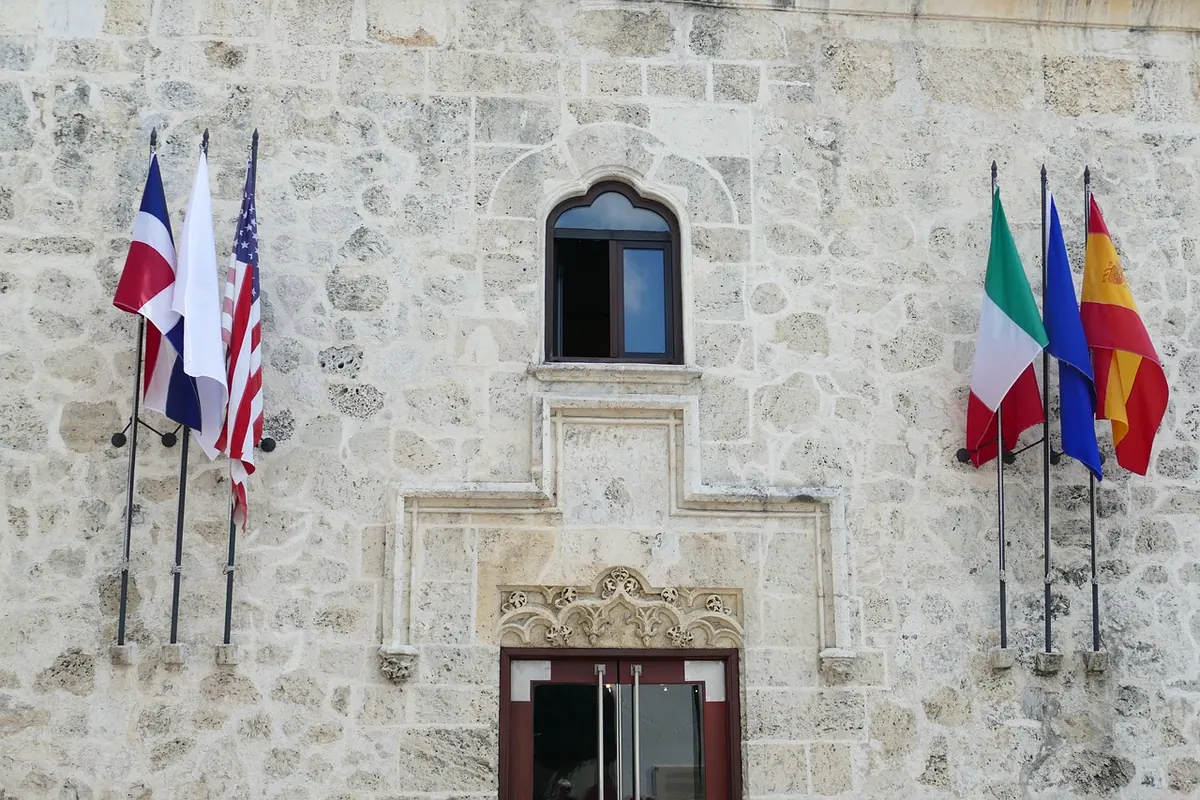
Photo: falco / Pixabay